
Helping injured and orphaned wildlife get back home to the wild
Our Mission
We help wildlife get back home to the wild.
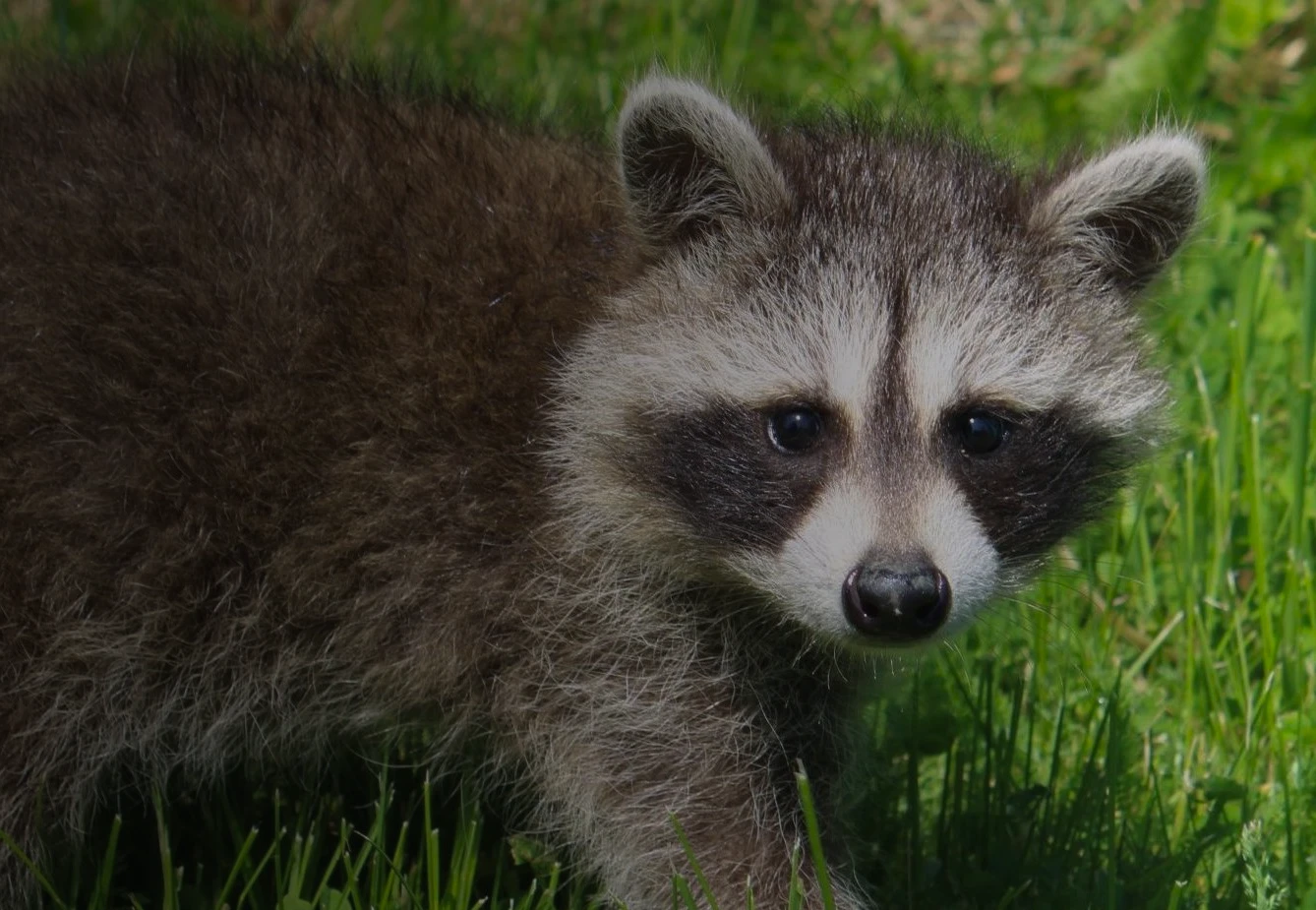
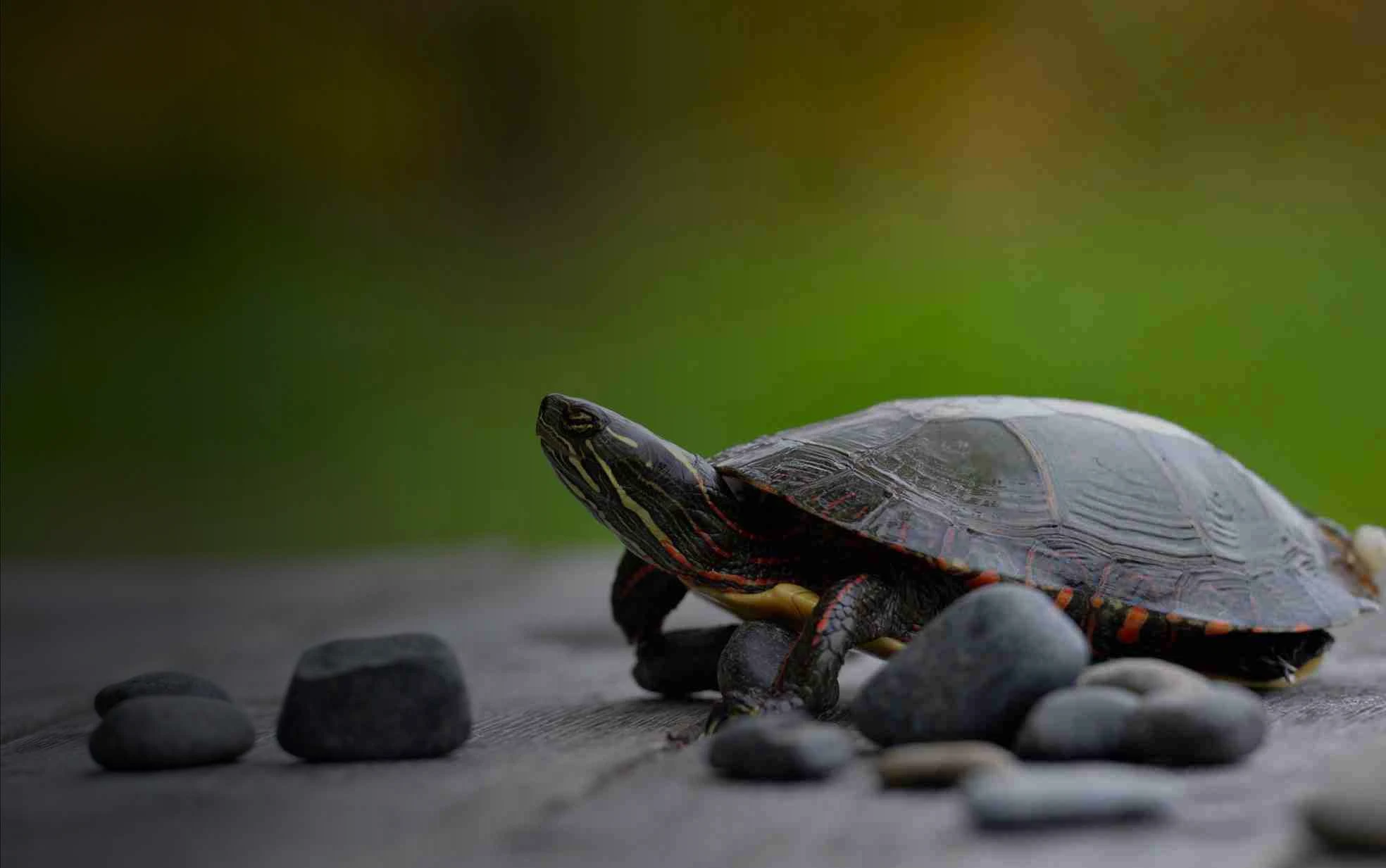
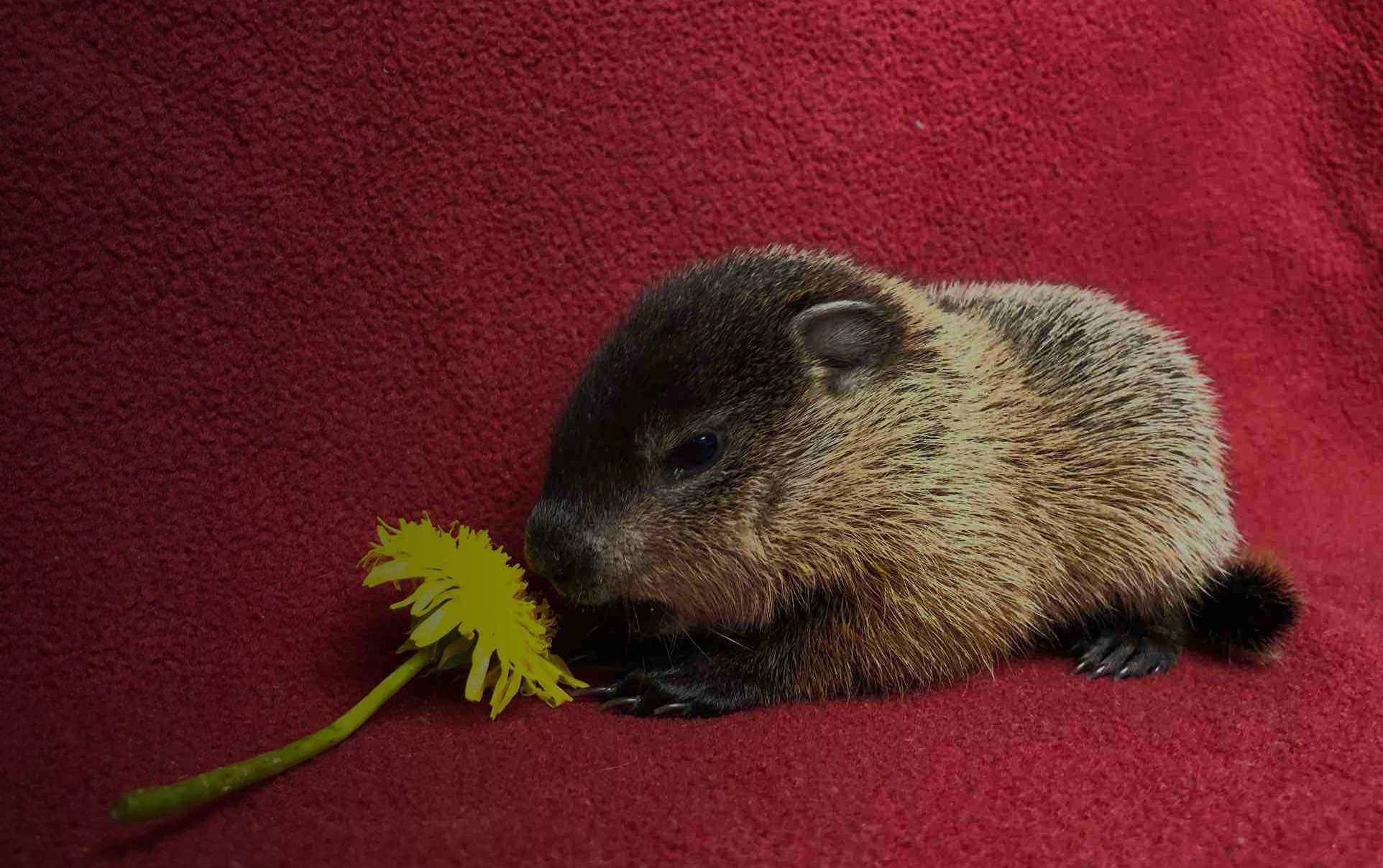
Many wildlife adapt to living in our urban Ottawa environments, but they face many challenges. Mothers are accidentally killed by cars or illegally trapped and relocated, leaving behind orphaned babies. If they lose their mother while they are young and vulnerable, these babies have no hope except for the care we provide.


Get Involved
We would not be able to help so many wildlife without the help of our dedicated team of staff, interns and volunteers. There are many ways to get involved and help wildlife. We have opportunities for summer student employment, full-time internships, weekly and casual volunteers, and co-op and field placements.
Come join our dynamic and diverse team of people from the community with a passion for wildlife and the environment.


Rideau Valley Wildlife Sanctuary
Wishing you a restful and plentiful Thanksgiving. We are grateful to be able to care for injured and orphaned wildlife during their time of greatest
